Dental crowns are a versatile and reliable restorative therapy meant to safeguard damaged teeth while restoring their strength, shape, and look. Often referred to as “caps,” crowns totally cover the visible section of a tooth, giving strength when a tooth is damaged by disease, fractures, big fillings, or wear. A dental crown allows patients to chew, speak, and smile comfortably by protecting the tooth and preserving its function.
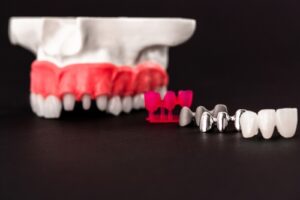
Restoring a tooth following severe deterioration or trauma is one of the most frequent uses for dental crowns. A crown provides a more long-lasting option when a cavity grows too big for a filling or a tooth cracks. Future fractures are less likely because it equally distributes biting pressures and stabilizes the remaining tooth structure. Since teeth that have had root canal therapy may eventually become more fragile, crowns are also commonly utilized after the surgery.
Dental crowns come in a variety of materials, each with special advantages. Porcelain and ceramic crowns are preferred for their natural appearance, as they closely match the color and translucency of actual teeth. These are commonly utilized for front teeth where aesthetics are a focus. Metal crowns, particularly gold or metal alloys, are highly durable and long-lasting, making them perfect for molars that undergo heavy chewing forces. Porcelain-fused-to-metal crowns combine longevity with a natural look, offering a balance between strength and aesthetics.
The procedure of receiving a dental crown normally comprises two appointments. The dentist shapes the tooth to accept the crown and removes any decaying or damaged parts during the initial session. A temporary crown is then inserted to preserve the tooth while the permanent crown is being produced, and impressions are taken to guarantee a precise fit. The unique crown is meticulously fitted, comfortably adjusted, and firmly bonded in place during the second appointment.
Dental crowns not only restore function but also improve the appearance of a smile. Teeth that are deformed, discolored, or uneven can be altered with crowns that match the surrounding teeth. This cosmetic benefit makes crowns a popular option for individuals seeking both restorative and aesthetic improvements. When properly built, a crown fits perfectly into the grin, making it impossible to detect from natural teeth.
Additionally, crowns are crucial in assisting with other dental procedures. They are widely used to anchor dental bridges, providing stability for replacing missing teeth. Crowns are also placed on top of dental implants to complete the repair and create a natural-looking replacement tooth. In these circumstances, crowns contribute greatly to both the function and longevity of the total therapy.
The maintenance of dental crowns is comparable to that of natural teeth. Regular brushing, flossing, and routine dental examinations are crucial to preserve gum health and avoid damage around the crowned tooth. Crowns are durable, but they can last longer if you avoid bad behaviors like grinding your teeth, biting hard objects, or eating ice. For individuals who grind their teeth at night, wearing a nightguard may be recommended to protect both crowns and natural teeth.
With proper maintenance, dental crowns can last many years, making them a dependable and long-term choice for healing damaged teeth. Dental crowns safeguard oral health and boost the confidence that comes with having a full, healthy smile by fusing strength, functionality, and beauty.