Oral surgery is a specialist area of dentistry focused on diagnosing and treating disorders of the teeth, jaws, gums, and facial tissues that require surgical care. When non-surgical treatments are insufficient, it is crucial for restoring dental health, reducing discomfort, and enhancing general function. Oral surgical operations are usually prescribed for concerns such as impacted teeth, severe infections, jaw deformities, face trauma, and tooth loss, helping patients regain comfort and confidence in their daily lives.
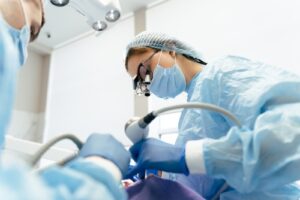
Tooth extraction, especially the evacuation of impacted or troublesome teeth like wisdom teeth, is one of the most popular oral surgery procedures. Impacted teeth may fail to erupt properly, resulting to pain, swelling, infection, or damage to surrounding teeth. These teeth can be safely extracted through surgery, avoiding further issues and maintaining general dental health. In many circumstances, early removal can lessen the risk of overcrowding and misalignment.
Another important part of treating gum disease and severe dental infections is oral surgery. When infections reach deep into the bone or surrounding tissues, surgical intervention may be necessary to remove contaminated tissue, aid healing, and prevent the spread of bacteria. Procedures such as surgical periodontal therapy or abscess drainage assist restore healthy tissue and safeguard both oral and general health.
Another important field of oral surgery is dental implants. Implant placement needs precise surgical techniques to put a titanium post into the jawbone, giving a secure foundation for replacement teeth. Oral surgeons are highly skilled to examine bone density, nerve location, and overall oral structure to ensure implants are put safely and successfully. This surgical competence is crucial for achieving long-lasting and natural-looking results.
Jaw-related diseases are also routinely addressed by oral surgery. Corrective surgery may be necessary for problems including chronic jaw pain, misaligned jaws, or trouble speaking and chewing. Oral surgery can lessen discomfort brought on by temporomandibular joint diseases or structural anomalies, improve face equilibrium, and improve jaw function. Both dental health and quality of life are frequently significantly impacted by these treatments.
Facial injuries and trauma involving the mouth, jaw, or facial bones are often managed through oral surgery as well. Soft tissue injuries, broken teeth, or fractures can be caused by sports injuries, accidents, or other stressful experiences. Oral surgeons are trained to heal these injuries with precision, restoring both look and function while reducing long-term problems.
Modern oral surgery stresses patient comfort and safety. Advances in technology and anesthesia choices allow treatments to be completed efficiently with minimal discomfort. For patients who might be anxious about treatment, sedation and anesthetic assist ease pain and anxiety, making oral surgery more bearable. Careful post-operative care instructions are given to promote healing and shorten recuperation.
Recovery from oral surgery varies depending on the operation, but following professional instructions is vital for complete healing. Patients are often encouraged to rest, reduce edema, maintain adequate dental hygiene, and attend follow-up sessions to evaluate progress. The majority of individuals heal steadily and have long-term improvements in their oral function with the right care.
Oral surgery plays a critical part in comprehensive dental care by resolving complicated disorders that affect health, comfort, and beauty. Oral surgery helps patients achieve better function, healthier smiles, and a higher quality of life through expert surgical procedures and individualized treatment planning.