Transform Your Smile with Veneers

Veneers are thin, custom-made shells designed to cover the front surface of teeth to enhance their appearance and create a more balanced, appealing smile. Commonly manufactured from porcelain or composite resin, veneers are bonded directly to the teeth and can solve a wide range of cosmetic issues, including discolouration, chips, cracks, gaps, uneven size, and minor misalignment. Because they are personalized to each patient’s smile, veneers offer natural-looking results that integrate smoothly with adjacent teeth.
Veneers can significantly improve a smile’s appearance with little change to the original tooth structure, which is one of the main reasons individuals select them. Porcelain veneers, in particular, are highly respected for their solidity and lifelike appearance. They are a great choice for patients looking for realistic and long-lasting cosmetic enhancements because of the way they reflect light, which is quite similar to that of natural enamel. Composite veneers can produce appealing results and are frequently finished in fewer visits, although being generally less expensive.

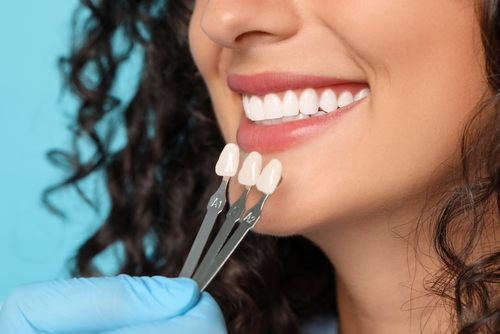
Veneers are extremely helpful for treating tooth discolouration that does not react well to professional whitening treatments. Veneers can permanently conceal discolouration and give a consistently bright smile, but stains brought on by drugs, trauma, or too much fluoride can be challenging to remove. Patients can also choose their favorite hue, allowing for a tailored level of whitening that fits their facial characteristics and skin tone.

The process of receiving veneers is normally straightforward and comfortable. The dentist assesses the teeth, talks about cosmetic objectives, and decides whether veneers are the best option during the first consultation. A tiny bit of enamel is frequently taken from the front of the teeth to achieve a correct fit and natural appearance. Impressions are then taken and transported to a dental lab, where the veneers are carefully manufactured. Once ready, the veneers are bonded securely to the teeth, instantaneously changing the smile.

Veneers are not simply about beauty; they can also provide further protection for damaged or fragile teeth. Veneers assist protect teeth from additional wear while restoring strength and function by replacing chipped or damaged enamel. Although veneers are durable, they still require adequate care. Their longevity can be increased by practicing proper oral hygiene, refraining from biting on hard things, and wearing a nightguard if you grind your teeth.

Many patients like the confidence boost that comes from veneers. A bright, even smile can significantly impact both personal and professional relationships, making individuals feel more comfortable and self-assured. Veneers offer a solution that appears natural and feels comfortable, allowing patients to smile, speak, and eat with ease.

Veneers are a wise investment for both appearance and oral health because they can endure for many years with the right maintenance. Regular dental checkups allow your dentist to monitor their condition and ensure your smile remains healthy and beautiful. For consumers wanting a reliable, long-term approach to enhance their smile, veneers continue to be one of the most popular and successful cosmetic dental alternatives available.

How Nightguards Help

Nightguards are a simple yet highly efficient dental accessory meant to protect your teeth and jaw while you sleep. Many people unknowingly clench or grind their teeth at night, a condition called bruxism. Worn enamel, broken or cracked teeth, migraines, jaw pain, and even damage to dental restorations like crowns or fillings can result from this habit over time. A nightguard works as a protective barrier between the upper and lower teeth, absorbing pressure and preventing direct tooth-to-tooth contact.

One of the most common reasons dentists recommend nightguards is to avoid long-term damage caused by grinding and clenching. Your teeth’s enamel does not grow back once it has been worn away. Continuous grinding can cause teeth to become flattened, more sensitive, and more prone to fractures and decay. You can lessen the strain on your teeth and help maintain their natural strength and structure over time by using a nightguard.

Additionally, nightguards can be quite helpful in easing tense muscles and jaw pain. Bruxism causes excessive tension on the jaw muscles and temporomandibular joints (TMJ), which can result in discomfort, stiffness, clicking sounds, or difficulties opening and closing the mouth. A properly fitted nightguard helps distribute biting forces more evenly and places the jaw in a more relaxed condition, which can greatly alleviate discomfort and enhance overall jaw function.

A better quality of sleep is another advantage of nightguards. Teeth grinding can interfere with peaceful sleep without the person’s awareness and is frequently associated with stress, anxiety, or sleep difficulties. Nightguards can lessen muscle activity during the night by reducing clenching and grinding, enabling more pleasant and continuous sleep. Many patients report waking up with less headaches, less face tension, and a greater sense of relief after continuously wearing their nightguard.

Nightguards come in several forms, from over-the-counter devices to specially designed devices produced by dentists. While store-bought nightguards may appear handy and economical, they are often one-size-fits-all and may not give ideal comfort or protection. Custom nightguards are manufactured using accurate impressions of your teeth, ensuring a snug fit that stays in place throughout the night. In addition to improving comfort, this customized fit also increases efficacy and durability.

Nightguards are also excellent for protecting dental work. If you have crowns, bridges, veneers, or implants, grinding can impose undue strain on these restorations, potentially causing chips, cracks, or loosening over time. Wearing a nightguard helps safeguard your investment in dental care by lowering the chance of costly repairs or replacements caused by nightly grinding.

Caring for a nightguard is straightforward and necessary for maintaining oral health. It should be kept in a ventilated case to dry after being cleaned every day with a toothbrush, mild soap, or a non-abrasive cleaning. Regular dental examinations allow your dentist to assess wear and ensure the nightguard continues to fit properly. With careful care, a high-quality nightguard can last several years.

Incorporating a nightguard into your evening routine is a modest step that can make a major difference in your long-term dental health. By covering your teeth, minimizing jaw strain, and promoting more restful sleep, nightguards offer a practical alternative for managing the consequences of teeth grinding and clenching. A nightguard is a useful tool for maintaining a confident, healthy smile, whether it is used as a preventative strategy or to treat pre-existing issues.


Enhance Your Smile with Cosmetic Dentistry

The goal of cosmetic dentistry is to make your teeth, gums, and smile seem better. It combines both artistry and dental science to create natural-looking, healthy smiles that not only enhance beauty but also boost confidence and self-esteem. Cosmetic dentistry seeks to treat aesthetic issues while preserving or enhancing the general health of your teeth and gums, in contrast to general dentistry, which is primarily concerned with oral health and function. It is a flexible option for anyone wishing to improve their smile because treatments can range from little improvements to full smile makeovers.

Professional teeth whitening is one of the most popular and widely used cosmetic dentistry procedures. Coffee, tea, smoking, and aging can all cause teeth to become discolored or stained over time. In a short amount of time, professional teeth whitening procedures can successfully brighten teeth many shades, resulting in a visibly more brilliant smile. Unlike over-the-counter solutions, professional whitening is targeted to your unique needs, assuring safe and long-lasting results.

Porcelain veneers and tooth bonding are other significant options in cosmetic dentistry. Veneers are thin, custom-made shells that cover the front of teeth to fix flaws like discolouration, chipping, cracks, gaps, and uneven forms. Dental bonding employs tooth-colored resin to fix minor flaws and improve the overall look of a tooth. Both techniques create a natural, seamless appearance and can radically transform a smile in just a few visits.

Invisalign and other clear aligner systems are becoming more and more popular among patients who want to straighten their teeth without using traditional braces. These inconspicuous aligners gradually reposition teeth into optimum alignment, enhancing aesthetics and biting function. Straighter teeth are also easier to clean, reducing the incidence of cavities, gum disease, and other dental disorders.

Crowns and bridges are generally considered both restorative and cosmetic treatments. While they restore the strength and function of broken teeth, they also improve the appearance by matching the shape, size, and color of neighboring teeth. Similarly, cosmetic gum procedures, such as gum reshaping or contouring, can improve uneven gum lines, enhance the proportion of teeth to gums, and contribute to a more harmonious smile.

The field of cosmetic dentistry is very individualized. Dentists carefully analyze each patient’s facial form, dental health, and cosmetic goals to build a treatment plan that offers natural and complementing results. Many patients choose a combination of operations to accomplish a full smile makeover, treating many issues at once.

Cosmetic dentistry has the potential to improve dental health in addition to attractiveness. Teeth that have been properly repaired and aligned are easier to maintain, which lowers the risk of gum disease and decay. Protecting damaged teeth with crowns or bonding minimizes additional wear and structural difficulties, maintaining long-term dental health.

With developments in dental technology, cosmetic dentistry has become more accessible, efficient, and comfortable than ever before. Patients have many alternatives to get the results they want, ranging from less invasive procedures like bonding and whitening to more involved treatments like veneers, crowns, or full smile restorations.

Cosmetic dentistry is more than just aesthetics—it’s an investment in your confidence and overall well-being. Cosmetic dentistry procedures give you the opportunity to experience a beautiful, healthy smile that leaves a lasting impression by fusing creative additions with functional restoration. Cosmetic dentistry provides safe, efficient, and personalized treatments to help you feel and look your best, whether you’re looking for a little makeover or a full smile makeover.

If you would like, I can also condense this into a **650-word version** that is formatted exactly like your earlier dentistry articles, maintaining the same readability and flow. Would you like me to do that?

Everything About Dental Crowns

Dental crowns are a versatile and reliable restorative therapy meant to safeguard damaged teeth while restoring their strength, shape, and look. Often referred to as “caps,” crowns totally cover the visible section of a tooth, giving strength when a tooth is damaged by disease, fractures, big fillings, or wear. A dental crown allows patients to chew, speak, and smile comfortably by protecting the tooth and preserving its function.

Restoring a tooth following severe deterioration or trauma is one of the most frequent uses for dental crowns. A crown provides a more long-lasting option when a cavity grows too big for a filling or a tooth cracks. Future fractures are less likely because it equally distributes biting pressures and stabilizes the remaining tooth structure. Since teeth that have had root canal therapy may eventually become more fragile, crowns are also commonly utilized after the surgery.

Dental crowns come in a variety of materials, each with special advantages. Porcelain and ceramic crowns are preferred for their natural appearance, as they closely match the color and translucency of actual teeth. These are commonly utilized for front teeth where aesthetics are a focus. Metal crowns, particularly gold or metal alloys, are highly durable and long-lasting, making them perfect for molars that undergo heavy chewing forces. Porcelain-fused-to-metal crowns combine longevity with a natural look, offering a balance between strength and aesthetics.

The procedure of receiving a dental crown normally comprises two appointments. The dentist shapes the tooth to accept the crown and removes any decaying or damaged parts during the initial session. A temporary crown is then inserted to preserve the tooth while the permanent crown is being produced, and impressions are taken to guarantee a precise fit. The unique crown is meticulously fitted, comfortably adjusted, and firmly bonded in place during the second appointment.

Dental crowns not only restore function but also improve the appearance of a smile. Teeth that are deformed, discolored, or uneven can be altered with crowns that match the surrounding teeth. This cosmetic benefit makes crowns a popular option for individuals seeking both restorative and aesthetic improvements. When properly built, a crown fits perfectly into the grin, making it impossible to detect from natural teeth.

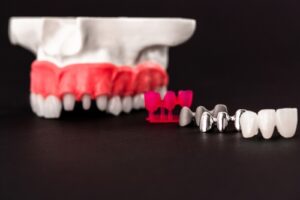
Additionally, crowns are crucial in assisting with other dental procedures. They are widely used to anchor dental bridges, providing stability for replacing missing teeth. Crowns are also placed on top of dental implants to complete the repair and create a natural-looking replacement tooth. In these circumstances, crowns contribute greatly to both the function and longevity of the total therapy.

The maintenance of dental crowns is comparable to that of natural teeth. Regular brushing, flossing, and routine dental examinations are crucial to preserve gum health and avoid damage around the crowned tooth. Crowns are durable, but they can last longer if you avoid bad behaviors like grinding your teeth, biting hard objects, or eating ice. For individuals who grind their teeth at night, wearing a nightguard may be recommended to protect both crowns and natural teeth.

With proper maintenance, dental crowns can last many years, making them a dependable and long-term choice for healing damaged teeth. Dental crowns safeguard oral health and boost the confidence that comes with having a full, healthy smile by fusing strength, functionality, and beauty.

When Oral Surgery Is Needed

Oral surgery is a specialist area of dentistry focused on diagnosing and treating disorders of the teeth, jaws, gums, and facial tissues that require surgical care. When non-surgical treatments are insufficient, it is crucial for restoring dental health, reducing discomfort, and enhancing general function. Oral surgical operations are usually prescribed for concerns such as impacted teeth, severe infections, jaw deformities, face trauma, and tooth loss, helping patients regain comfort and confidence in their daily lives.

Tooth extraction, especially the evacuation of impacted or troublesome teeth like wisdom teeth, is one of the most popular oral surgery procedures. Impacted teeth may fail to erupt properly, resulting to pain, swelling, infection, or damage to surrounding teeth. These teeth can be safely extracted through surgery, avoiding further issues and maintaining general dental health. In many circumstances, early removal can lessen the risk of overcrowding and misalignment.

Another important part of treating gum disease and severe dental infections is oral surgery. When infections reach deep into the bone or surrounding tissues, surgical intervention may be necessary to remove contaminated tissue, aid healing, and prevent the spread of bacteria. Procedures such as surgical periodontal therapy or abscess drainage assist restore healthy tissue and safeguard both oral and general health.

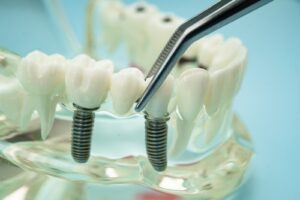
Another important field of oral surgery is dental implants. Implant placement needs precise surgical techniques to put a titanium post into the jawbone, giving a secure foundation for replacement teeth. Oral surgeons are highly skilled to examine bone density, nerve location, and overall oral structure to ensure implants are put safely and successfully. This surgical competence is crucial for achieving long-lasting and natural-looking results.

Jaw-related diseases are also routinely addressed by oral surgery. Corrective surgery may be necessary for problems including chronic jaw pain, misaligned jaws, or trouble speaking and chewing. Oral surgery can lessen discomfort brought on by temporomandibular joint diseases or structural anomalies, improve face equilibrium, and improve jaw function. Both dental health and quality of life are frequently significantly impacted by these treatments.

Facial injuries and trauma involving the mouth, jaw, or facial bones are often managed through oral surgery as well. Soft tissue injuries, broken teeth, or fractures can be caused by sports injuries, accidents, or other stressful experiences. Oral surgeons are trained to heal these injuries with precision, restoring both look and function while reducing long-term problems.

Modern oral surgery stresses patient comfort and safety. Advances in technology and anesthesia choices allow treatments to be completed efficiently with minimal discomfort. For patients who might be anxious about treatment, sedation and anesthetic assist ease pain and anxiety, making oral surgery more bearable. Careful post-operative care instructions are given to promote healing and shorten recuperation.

Recovery from oral surgery varies depending on the operation, but following professional instructions is vital for complete healing. Patients are often encouraged to rest, reduce edema, maintain adequate dental hygiene, and attend follow-up sessions to evaluate progress. The majority of individuals heal steadily and have long-term improvements in their oral function with the right care.

Oral surgery plays a critical part in comprehensive dental care by resolving complicated disorders that affect health, comfort, and beauty. Oral surgery helps patients achieve better function, healthier smiles, and a higher quality of life through expert surgical procedures and individualized treatment planning.

Restore Your Smile with Dental Implants

Dental implants are a dependable and durable way to replace lost teeth while regaining both beauty and function. Designed to closely replicate real teeth, implants consist of a thin titanium post that is surgically implanted into the jawbone, where it works as an artificial tooth root. Once the implant integrates with the bone, a bespoke crown, bridge, or denture is fitted, creating a stable and natural-looking replacement that merges flawlessly with the rest of the smile.

One of the key advantages of dental implants is their endurance and robustness. Unlike typical dentures or bridges, implants are connected directly into the jawbone, allowing them to operate much like natural teeth. Daily tasks like eating and talking are safer and more comfortable because of this consistency. Patients can eat a variety of meals without having to worry about discomfort or slippage, which is a common problem with removable tooth replacement solutions.

Additionally, dental implants are crucial for maintaining oral health. Due to a lack of stimulation, the surrounding jawbone may start to deteriorate once a tooth is lost. Implants help prevent this bone loss by providing the stimulation needed to preserve bone density and facial structure. This not only improves long-term dental health but also helps minimize the sunken appearance that might develop over time with missing teeth.

The adaptability of dental implants is an additional advantage. They can be used to support full-arch restorations like implant-supported dentures, or they can be used to replace one or more missing teeth. Unlike traditional dental bridges, which require adjacent teeth to be altered, implants maintain the integrity of healthy surrounding teeth because they do not depend on them for support.

The dental implant method is carefully organized to ensure long-term success. It begins with a thorough review of dental health, bone structure, and general suitability for therapy. After the implant is implanted, a healing phase allows the bone to join with the implant through a process called osseointegration. Once healing is complete, the final restoration is applied, restoring the smile’s appearance and function.

Caring for dental implants is similar to caring for natural teeth. To maintain the health of the surrounding gums and the stability of the implant, daily brushing, flossing, and regular dental checkups are crucial. With proper maintenance, dental implants can last for many years, typically making them a cost-effective alternative over time.

Beyond simply replacing lost teeth, dental implants improve comfort, self-esteem, and overall quality of life. By providing a solid, natural-looking, and long-term replacement for missing teeth, implants continue to be one of the most trusted and advanced alternatives in modern dentistry.